Australian punters love a pattern, and when the ball keeps landing on the same segment, it is tempting to treat that streak as a signal rather than noise. The roulette strategy for hot numbers sounds straightforward enough: track recent outcomes, lean into the repeaters, and manage your exposure around what appears to be momentum. In practice, the approach only works if you pair it with disciplined staking and a clear read on the actual product you are playing. That is where experience in high-value service and retention makes a difference, because the same discipline that keeps a loyal player engaged over months is the discipline that keeps a hot-number chase from turning into a fast burn.
Reading the table before you bet

Hot numbers are simply the segments that have landed most often over a short window, and the appeal is obvious when you are watching a live wheel and see the same spots repeat across an arvo session. The instinct is to assume the wheel is favouring those pockets, but the more useful question is whether the table you are sitting at is actually giving you enough data to make that read meaningful. A small sample on a busy live dealer table can look streaky purely by chance, and the difference between a genuine pattern and a short-term blip is the difference between a measured bet and a rushed one.
That is the kind of judgement call I have seen play out in VIP retention work, where the goal is not to convince a player that a streak is special, but to give them enough structure to stay engaged without chasing it into the ground. When I look at a product through that lens, I am checking whether the table pace, the display of recent outcomes, and the bet limits actually support a thoughtful read, or whether they are just feeding the impulse to double down on the last winner. The players who stick around are usually the ones who treat the hot-number list as a starting point for selection, not as a prophecy.
If you are weighing up where to put that attention, a look at the ozwin casino 160 free spins offer can be a useful way to test table pace and display without committing your own stake straight away. The point is not to treat bonus play as a separate universe, but to use it as a low-pressure window to see how a table presents its recent results and whether the rhythm suits your style.
How hot-number play actually behaves
What the streak really tells you
A hot number is only hot relative to the window you choose, and that window changes the story quickly. Pick the last ten spins and you will always find a few repeaters; stretch it out and the distribution usually flattens back toward something far less dramatic. The practical takeaway is that the strategy works best as a selection filter rather than a prediction engine. You are narrowing which segments deserve attention, not manufacturing an edge from the past.
Industry data work tends to back that up. Chloe Wright, Product Analytics Lead, Kangaroo Point Analytics, has noted that short-run frequency spikes are common enough to look persuasive in the moment, but they rarely hold their shape once the sample grows. That is a useful caveat for anyone building a session around repeaters, because it keeps the focus on bet sizing and table choice rather than on reading the wheel like a forecast.
For teams seeking stable benchmarks, relying on transient spikes can lead to costly misallocations of resources. Analysts often recommend diversifying data sources to mitigate volatility, much like players might seek out an ozwin casino 160 free spins offer to balance initial risk. Ultimately, sustainable growth requires ignoring the noise of short-term fluctuations.
Where the approach breaks down
The weakest version of this strategy is the one that treats a hot list as permission to raise stakes without a ceiling. A better version sets a fixed unit, decides in advance how many repeats you will track before you reset, and accepts that a cold patch is part of the same session, not a sign that the method has failed. The players who get value from it are usually the ones who treat it as a way to organise their attention, not as a way to outrun variance.
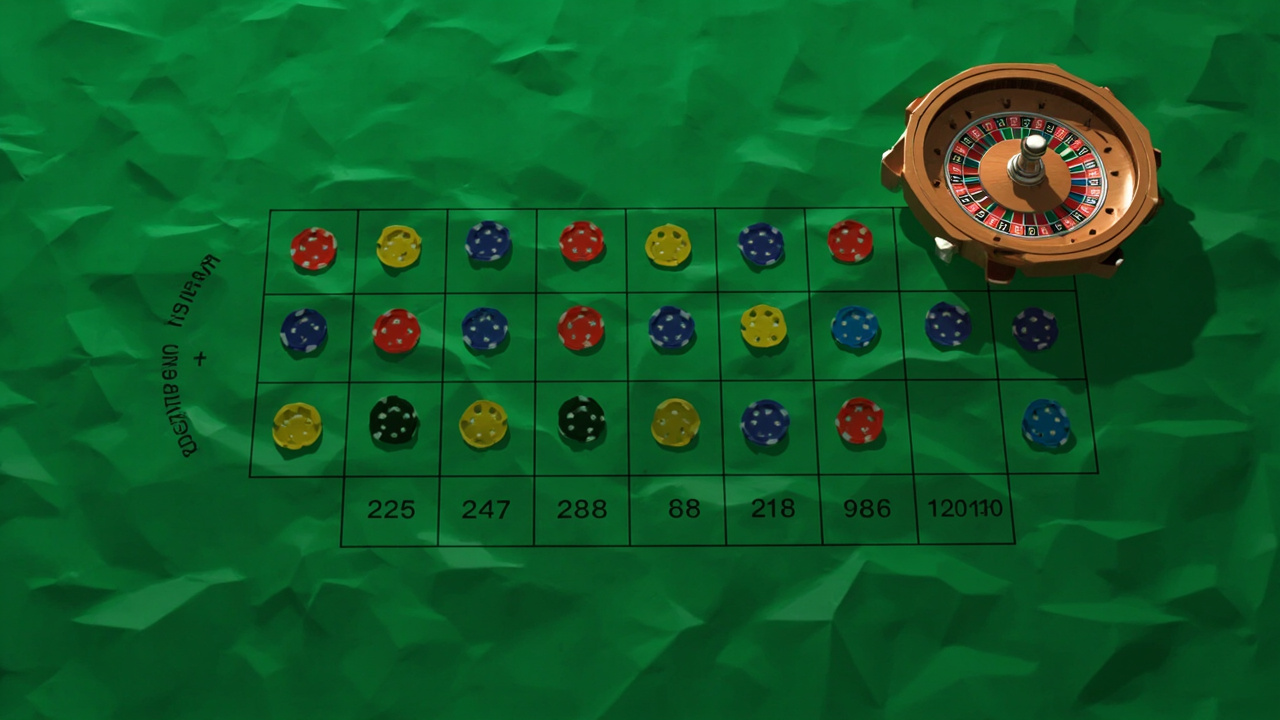
That mindset lines up with the way strong service teams think about loyalty: the aim is to keep the relationship healthy over time, not to win a single hand at any cost. I have seen the same principle apply in player-relationship work, where the most valuable habit is knowing when to slow down rather than when to press. A hot-number approach that ignores stop points and table limits is just a faster way to lose interest in the product altogether.
Matching the method to the right player
The roulette strategy for hot numbers suits a player who likes to observe before they commit and is comfortable treating recent outcomes as a sorting tool rather than a signal to chase. It is less useful for anyone who expects a streak to compound into a reliable payoff, because the math does not bend that way and no amount of table watching changes the underlying odds. In Brisbane, where weekend sessions can get busy as the weather pushes people indoors, the approach can feel more natural on a table that shows its recent results clearly and keeps a steady pace, because that gives you enough structure to make a call without getting swept along.
A sensible setup usually looks like this:
- pick a short, defined window for spotting repeaters
- set a fixed unit size before you start tracking
- decide in advance when you will reset the list
- keep the bet size independent of how hot a number looks
- treat a cold run as normal, not as a reason to escalate
The same logic applies to choosing a product in the first place. A lobby that organises table content clearly, shows recent outcomes in a readable way, and keeps the pace consistent is going to suit this style far better than one that pushes rapid-fire action without much visibility. Providers and table formats matter here because the display and rhythm are what let you actually use the hot-number idea without it becoming a guess in the dark.
Payments and registration should be straightforward enough that you are not losing focus on the table itself. A clean sign-up flow, familiar currencies, and support that can answer a question without turning it into a project all matter because they keep the session about the play, not about the admin. Loyalty features can help if they reward steady engagement rather than pushing bigger bets for the sake of it, and that is the kind of design that fits a player who wants to stay in the game without turning a hot-number read into a spending sprint.
Verdict
The roulette strategy for hot numbers earns its keep as a way to focus your attention and organise your bets, not as a way to outsmart the wheel. It works best for players who are disciplined about staking, patient with short-term variance, and selective about the table they use. Treat the hot list as a filter, keep your unit size fixed, and let the session run on its own terms, and the approach can feel like a sensible way to play rather than a promise of anything it cannot deliver.